
Align crowded teeth
Guide overlapping or uneven teeth towards a planned position.
Explore how braces can improve tooth alignment and the way your teeth meet, with orthodontic planning by Dr. Shreya Mehta Gandhi in Shela, Ahmedabad.
A consultation to understand your options. A decision at your pace.
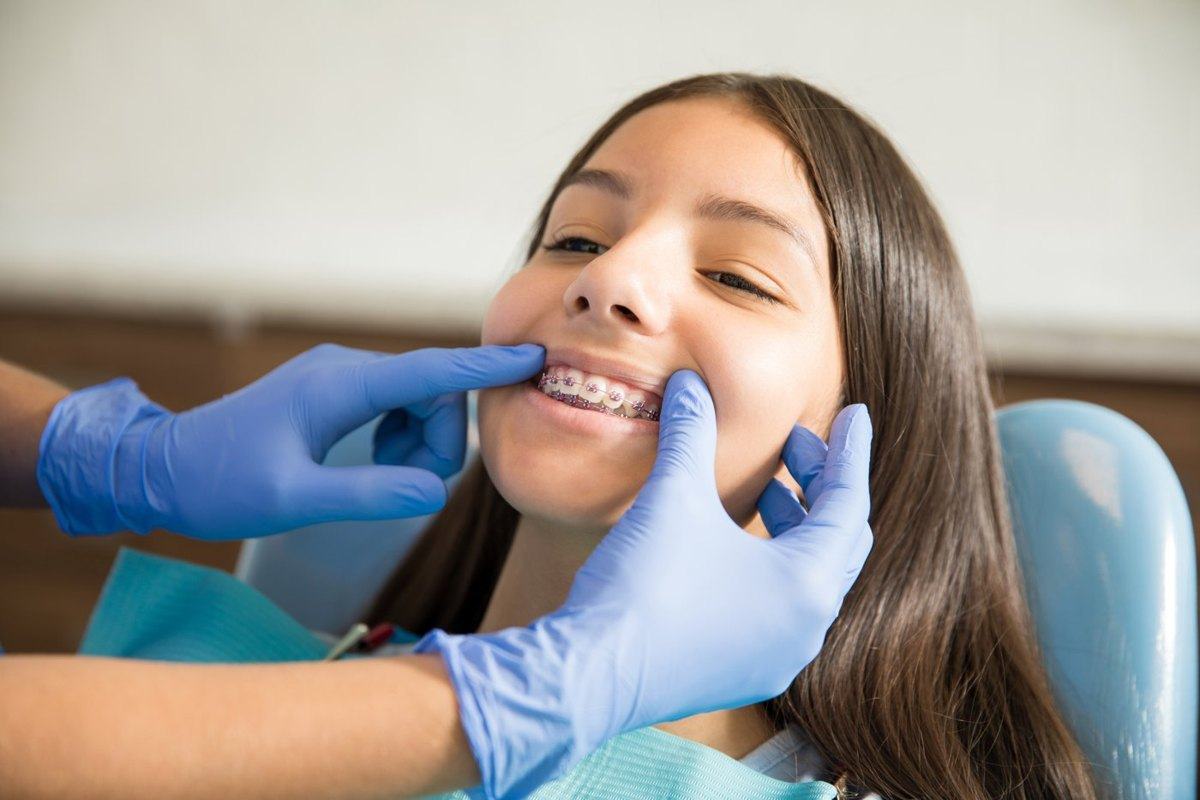
Your treatment plan is based on your examination and goals.
You do not need to know the name of a treatment before asking about your teeth.
Teeth that overlap can be difficult to clean. An assessment looks at the space available and how it could be managed.
The size and cause of gaps matter. A plan considers the whole bite rather than closing a visible space in isolation.
The position of the teeth and jaws is assessed together. Age and growth can influence the options discussed.
A bite assessment can help explain an overlap, crossbite or open bite and whether orthodontic treatment may help.
Discuss your dental and medical history, examine your teeth and bite, and explain what you want to understand about treatment.
Photographs, impressions or scans and X-rays may be recommended where appropriate. Discuss options, likely duration, risks and maintenance.
If you choose treatment, the braces are fitted and reviewed at planned appointments. Changes to the plan are discussed as your teeth respond.
After active treatment, retainers help maintain tooth positions. Dr. Shreya will explain the type, wear schedule and follow-up you need.
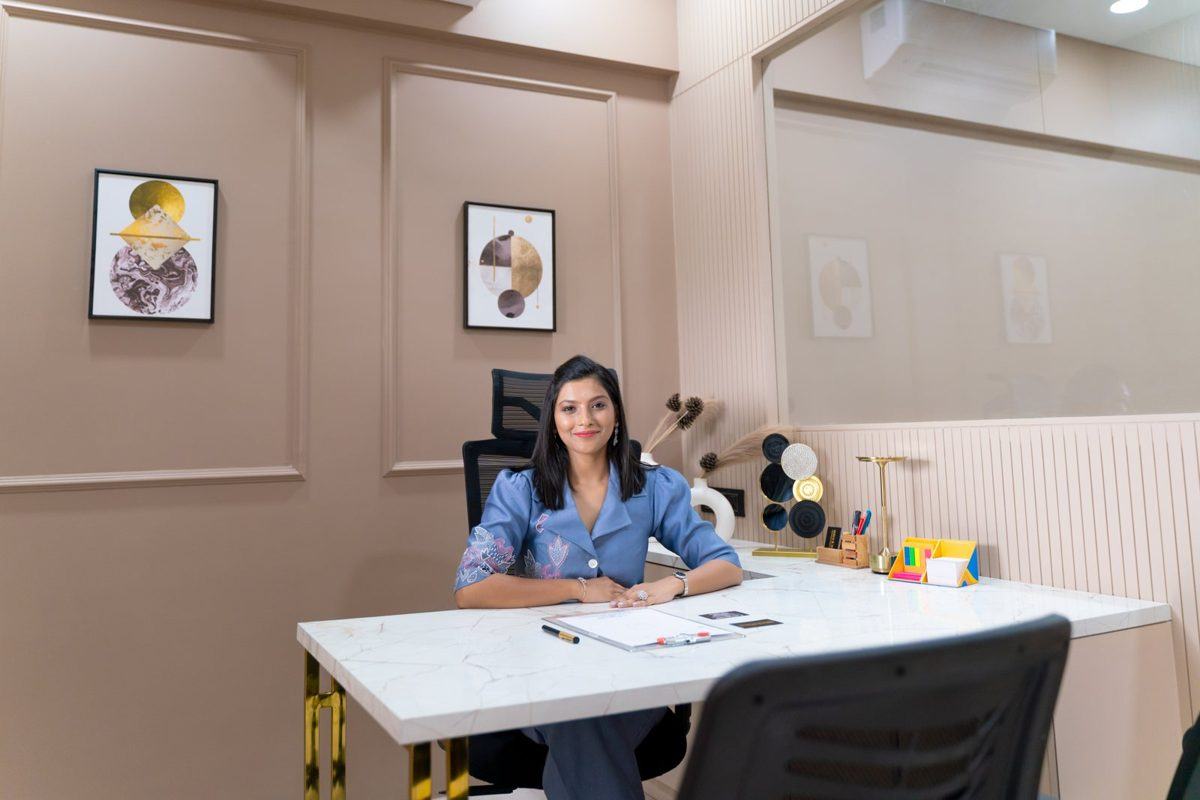
Dr. Shreya is a certified Invisalign provider and also works with other local and international aligner systems.
Founder of Grin & Brace and a specialist orthodontist (B.D.S., M.D.S. — Orthodontics and Dentofacial Orthopaedics).
Every case is reviewed with Dr. Shreya. Your teeth, bite and goals guide the plan. She is a member of the IOS and GOSG.
Meet Dr. ShreyaBraces use brackets attached to teeth and a connecting wire to guide gradual tooth movement. Orthodontic planning considers how your upper and lower teeth meet, as well as their position. A photograph alone cannot show everything needed to decide on treatment.
At a consultation, you can explain what bothers you and what you hope to change. An examination helps identify suitable options and any dental care needed first. You should understand the proposed plan, its limitations and your role in looking after your teeth before deciding to begin.
Braces use brackets attached to teeth and a connecting wire to guide gradual tooth movement. Orthodontic planning considers how your upper and lower teeth meet, as well as their position. A photograph alone cannot show everything needed to decide on treatment.
At a consultation, you can explain what bothers you and what you hope to change. An examination helps identify suitable options and any dental care needed first. You should understand the proposed plan, its limitations and your role in looking after your teeth before deciding to begin.
Your examination helps us recommend the options that suit you.
Your examination helps us recommend the options that suit you.
Clean carefully around brackets and the gumline using the tools advised for you. Continue routine dental check-ups alongside orthodontic appointments.
Hard or sticky foods can damage braces. Ask about suitable food choices and contact the clinic if a bracket loosens or a wire causes trouble.
Appointments check progress and oral health. Missed visits and repeated breakages can affect treatment time and the achievable result.
These answers are a starting point. Your consultation is where we discuss your individual situation.
Yes. Adults can have orthodontic treatment when their teeth, gums and supporting bone are suitable. Existing dental work and gum health are considered in planning.
Adjustment visits are usually every 4 weeks, or every 6–8 weeks for self-ligating braces. Your schedule is confirmed when treatment begins.
Braces treatment typically takes around 12–30 months. Dr. Shreya will give you a personal estimate based on your bite, the movements needed and your oral health, and review progress during treatment.
Tenderness is common after fitting or adjustments, and brackets may rub at first. Ask for advice suited to you and contact the clinic about persistent or unexpected pain.
Not everyone needs extractions. Space requirements and the bite determine the options. Any proposed removal should be explained with its reasons and alternatives.
Discuss your activity before starting. A suitable mouthguard may be needed for contact sport, and playing a wind instrument can require an adjustment period.
Teeth can shift after braces are removed. Retainers help maintain their position, and long-term use is commonly advised according to your individual instructions.
Bring your questions, current medication details and any recent dental records you have. Tell Dr. Shreya about previous orthodontic treatment and dental concerns.
Orthodontic treatment can involve tenderness, mouth irritation, tooth decay or enamel marks, gum problems and changes to tooth roots. Teeth can move again after treatment. Your own risk depends on several factors; ask which are relevant to you and how they will be managed.
Request an appointment from Grin & Brace to discuss arranging an orthodontic consultation in Shela, Ahmedabad.
Prefer to speak to the clinic?
+91 93164 52768 ↗C-231, Swati Trinity,
Applewoods Township,
Nr. Shantipura Circle, Shela,
Ahmedabad – 380054
Monday–Saturday
10:30 AM–7:30 PM
Sunday: by appointment
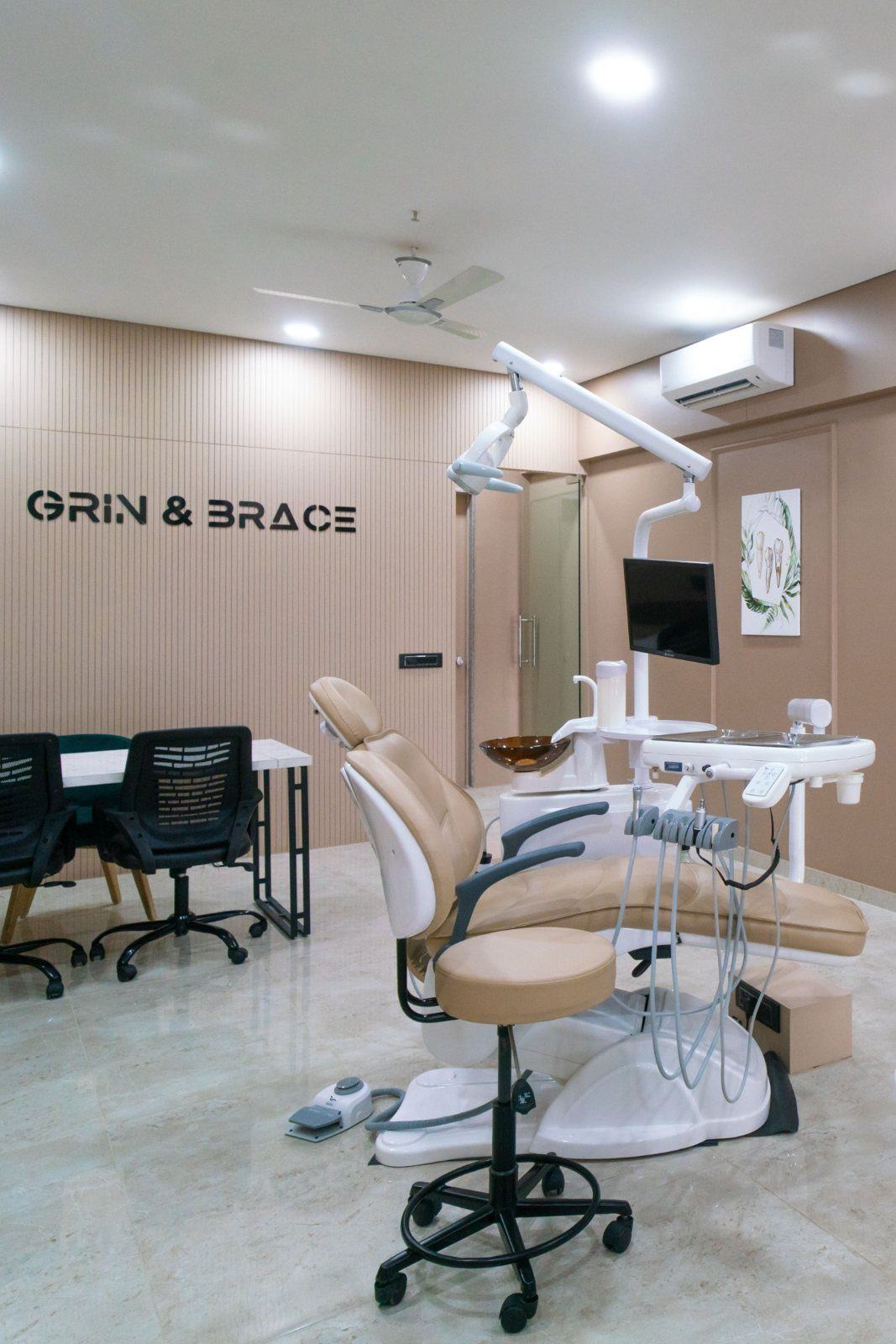
General patient information; treatment recommendations depend on a clinical examination.