
Orthodontic decisions
Braces or clear aligners: what should you compare?
Look beyond appearance to understand suitability, daily care, review appointments and retention.
Read the guidePatient information
Tell us what has brought you in: a painful tooth, a concern about your bite or a routine check-up. We’ll discuss your history, examine your teeth and explain what happens next. X-rays or other records are recommended when your assessment calls for them.
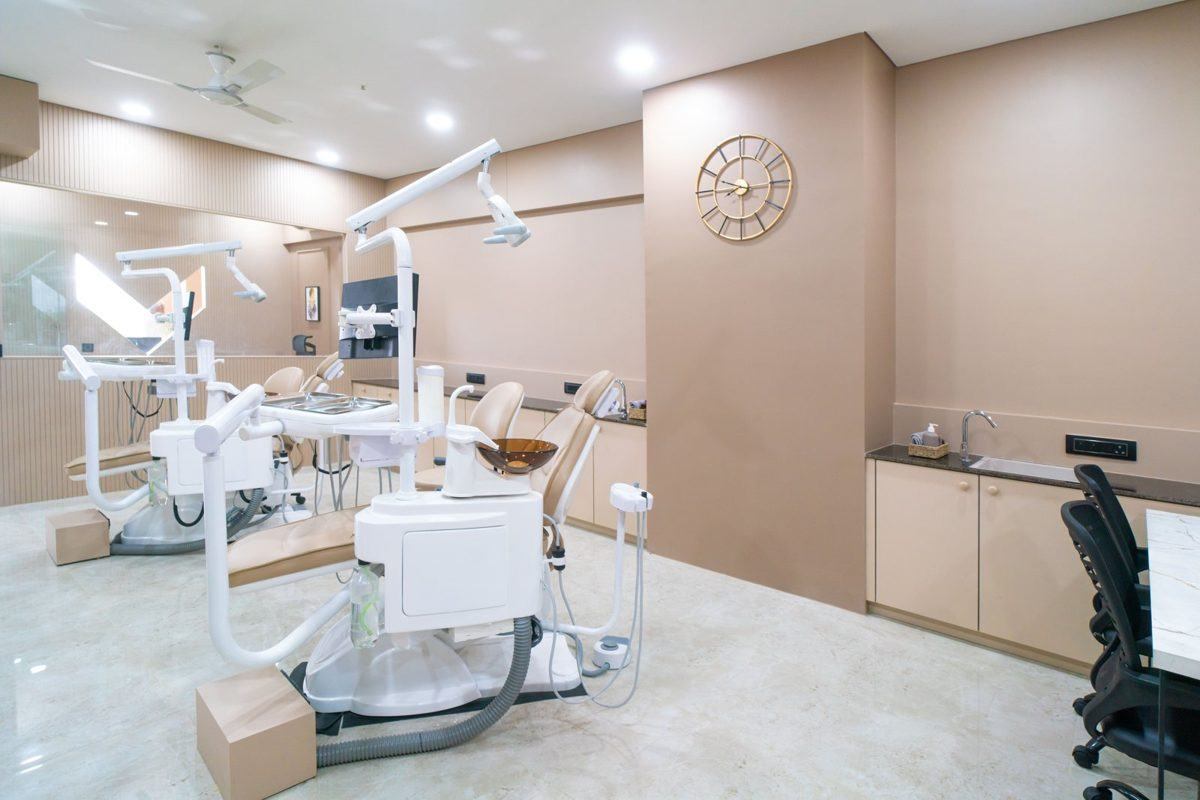
Explain your symptoms or concerns, previous dental treatment and relevant medical history. Tell the clinician about medicines, allergies and any anxiety about dental care.
The clinician examines the relevant teeth and tissues. Further records or imaging may be recommended if needed to clarify the problem or plan treatment.
Get a clear explanation of the findings, suitable options, likely timeline and next steps. The discussion also covers alternatives, limitations and risks so you can make an informed decision.
Clarify whether you need further assessment, another appointment or time to consider the proposed plan. Ask how to contact the clinic with follow-up questions.
Bring what you already have. The clinic can explain whether anything else is needed before your appointment.
Your first visit starts with assessment and discussion. Treatment may follow or need a separate appointment, depending on the findings and the care required. We’ll explain the next step before you decide.
Not every concern needs the same investigations. We’ll explain why any imaging is recommended.
You’re not alone — tell us what worries you when you book. Speak with the clinician before the examination, ask for each step to be explained and let us know when you need a pause.
Ask which decisions can wait and whether delaying treatment carries a risk in your situation. Understanding the plan is part of giving informed consent.