
Preserve sound tooth structure
Planning considers how much healthy tooth can be retained while treating decay or damage.
A tooth-preserving approach to repairing decay or damage, with bonded restorations considered alongside the strength and condition of your tooth. Discuss suitable options with Dr. Parth Padhya, B.D.S. · Restorative specialist.
A consultation to understand your options. A decision at your pace.
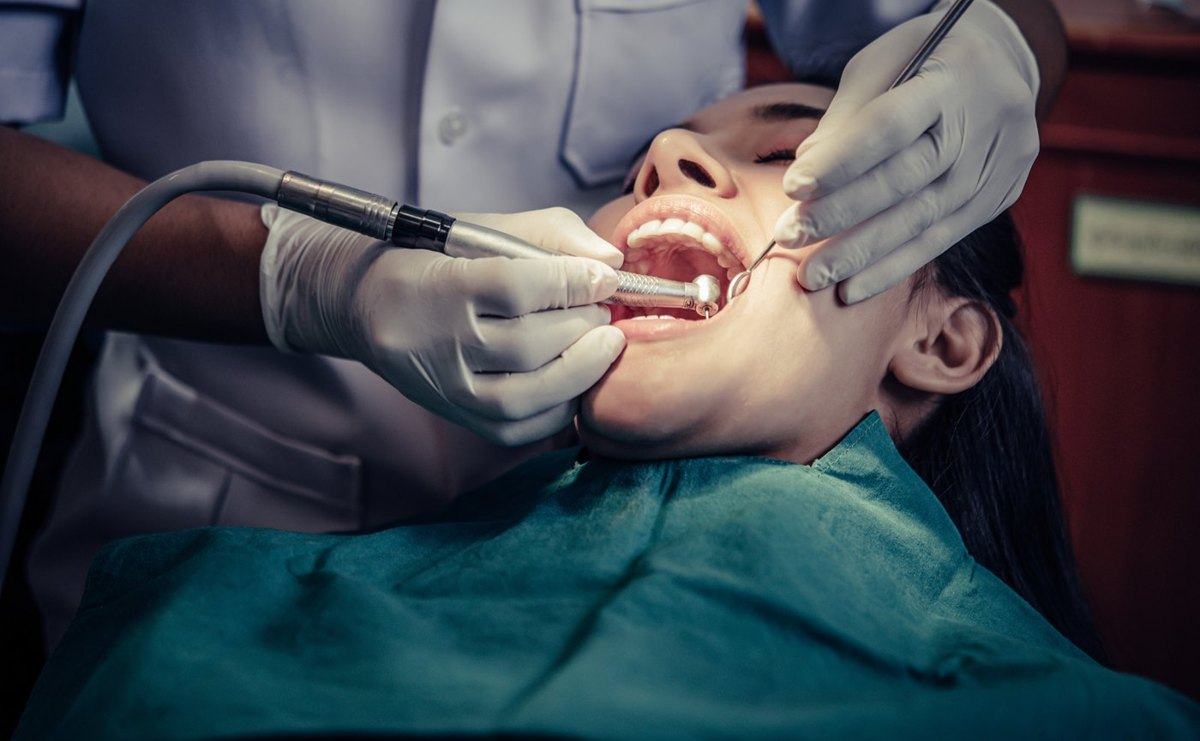
Your treatment plan is based on your examination and goals.
You do not need to know the name of a treatment before asking about your teeth.
Ask whether a bonded repair could suit the size and location of the damage.
An examination helps identify how much protection the tooth needs.
Discuss the remaining tooth structure and whether partial or full coverage is appropriate.
Ask about suitable alternatives and the reasons for the proposed coverage.
Review decay, existing repairs, remaining walls, cracks and your bite, with records or imaging if needed.
Compare a bonded filling, partial coverage or a full crown, including their limitations.
The agreed restoration is planned around the tooth’s condition and the amount of support it needs.
Check comfort and function, learn daily care and arrange appropriate follow-up.
Your restorative clinician
B.D.S. · Restorative specialist
Visiting consultant
Assessment of damaged teeth and suitable tooth-preserving restorations.
Biomimetic dentistry is an approach to restoring a damaged tooth that considers the remaining healthy structure and the way a bonded repair will support it. A filling or partial restoration may be suitable in selected teeth; others need more coverage.
After root canal treatment, a full crown is not the only possible restoration for every tooth. With minimal structural loss, intact marginal ridges and no cracks, a bonded intracoronal restoration may be considered. Compromised teeth may require a restoration that covers the biting cusps or a full crown. This decision follows assessment and does not replace treatment of infection.
Your examination helps us recommend the options that suit you.
Your examination helps us recommend the options that suit you.
Use fluoride toothpaste and clean all tooth surfaces. Ask for advice tailored to your mouth.
Discuss appropriate floss or interdental brushes, especially where food tends to collect.
Discuss sugary snacks and drinks and agree realistic changes alongside regular check-ups.
Use fluoride toothpaste and clean all tooth surfaces. Ask for advice tailored to your mouth.
Discuss appropriate floss or interdental brushes, especially where food tends to collect.
Discuss sugary snacks and drinks and agree realistic changes alongside regular check-ups.
These answers are a starting point. Your consultation is where we discuss your individual situation.
It describes a restorative approach that aims to preserve healthy tooth structure and consider how the repair works with the remaining tooth. The restoration must still suit the clinical findings.
Sometimes, in selected teeth. A bonded repair within the tooth may be considered when little tooth structure has been lost, the supporting edges remain intact and there are no cracks. Teeth with greater structural loss or cracks may need a restoration that covers the biting cusps or a full crown. An examination determines the appropriate protection.
No. A restorative approach does not remove the need to treat infection inside a tooth when root canal treatment is indicated. Infection treatment and the final restoration are separate parts of the plan.
No. The extent and location of damage, remaining tooth structure, cracks and bite all affect suitability. Some teeth need a different restoration or further treatment.
Dr. Parth Padhya, B.D.S. · Restorative specialist, is a visiting consultant at Grin & Brace. Your examination helps the team plan appropriate care.
We discuss your concerns, examine the tooth and existing repairs, and explain suitable options and any further records needed before you decide.
Bonded restorations can need repair or replacement. Sensitivity, further decay, fracture or loss of the restoration can occur, and further treatment may be required. Preserving tooth structure does not mean avoiding necessary protection. Your individual risks and alternatives are explained during assessment.
Request an appointment from Grin & Brace to discuss arranging a dental consultation in Shela, Ahmedabad.
Prefer to speak to the clinic?
+91 93164 52768 ↗C-231, Swati Trinity,
Applewoods Township,
Nr. Shantipura Circle, Shela,
Ahmedabad – 380054
Monday–Saturday
10:30 AM–7:30 PM
Sunday: by appointment
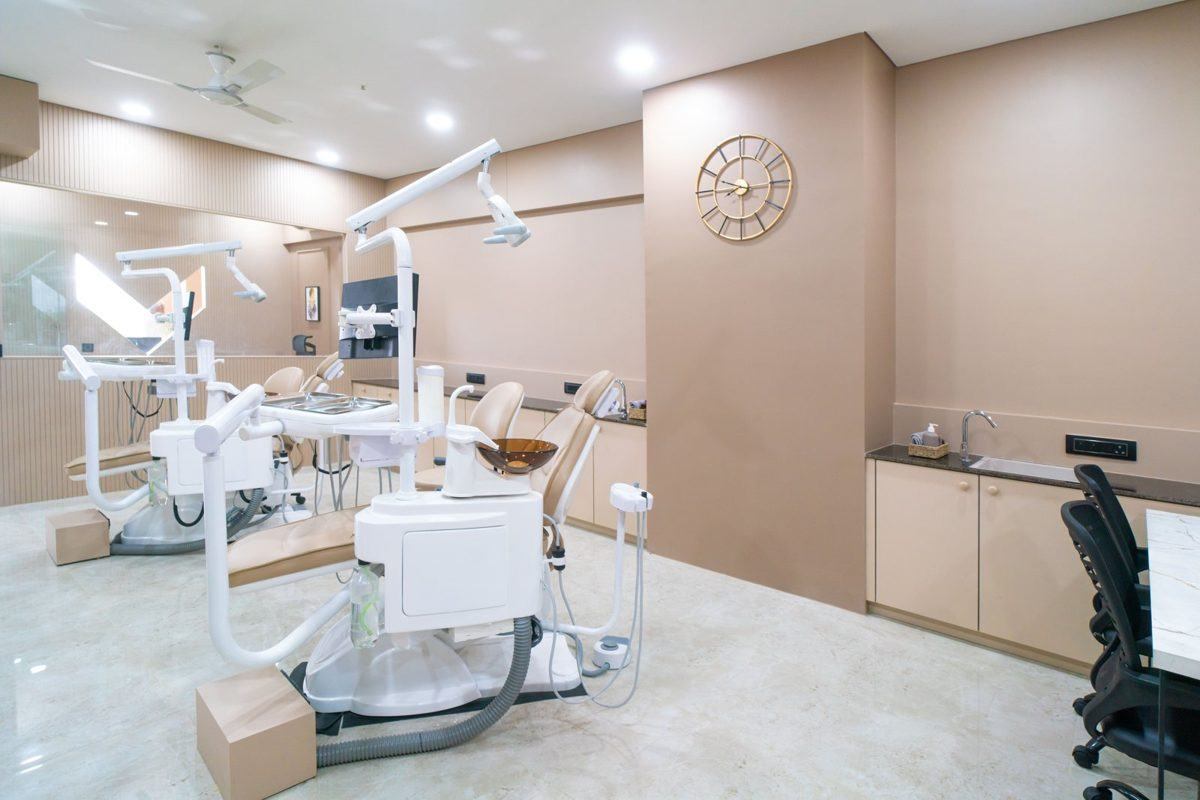
General patient information; treatment recommendations depend on a clinical examination.